




Most outdoor furniture does not wear out. It gets neglected.
A well-maintained sun lounger, outdoor dining set or outdoor lounge easily last a decade, fifteen years, even twenty years in an Australian backyard. The same set, neglected, can look shabby in two seasons. This guide covers the key material types, what each one is vulnerable to, and how to clean and preserve them. No complicated products, no hours of work. If you are still comparing options, you can also browse our wider outdoor furniture range.

Quick Care at a Glance
| Material | Main risk | Basic care |
|---|---|---|
| 🪵 Timber | UV, moisture, mould | Clean gently and oil or seal once or twice a year |
| ⚙️ Powder-coated aluminium | UV chalking, chips | Wash with soapy water and touch up chips quickly |
| 🪑 Synthetic wicker and rattan | Dust in weave, UV, trapped moisture | Brush, wipe, rinse gently and dry fully |
| 🛠️ Steel and metal | Rust after chips or standing water | Wash, dry well and repair chips before rust sets in |
| 🧼 Cushion fabric | Mildew, stains, fading | Wash gently and store completely dry |
| ☀️ Sun loungers | Full sun, pool splash, sunscreen | Clean frame and fabric regularly, keep away from heat and embers |
🪵 Timber Outdoor Furniture
Timber is one of the most beautiful outdoor materials and one of the most forgiving when you stay on top of it. The main risks are UV bleaching, moisture absorption and mould in dark or damp areas.
Best for: natural, warm outdoor spaces
Main risk: sun exposure, moisture and mould
Quick win: clean gently and re-oil before the surface starts looking dry
Cleaning
- Use warm water and mild detergent.
- Scrub gently with a soft brush, working into the grain and joins.
- Rinse well.
- Dry fully in the sun.
For mould spots, a diluted solution of white vinegar and water can usually be used without stripping the finish.
Oiling and Sealing
- Use a good outdoor timber oil to restore moisture and help prevent cracking.
- Oil once or twice a year, or whenever water stops beading on the surface.
- Lightly sand rough areas first with fine-grit paper.
- Always sand and oil with the grain.
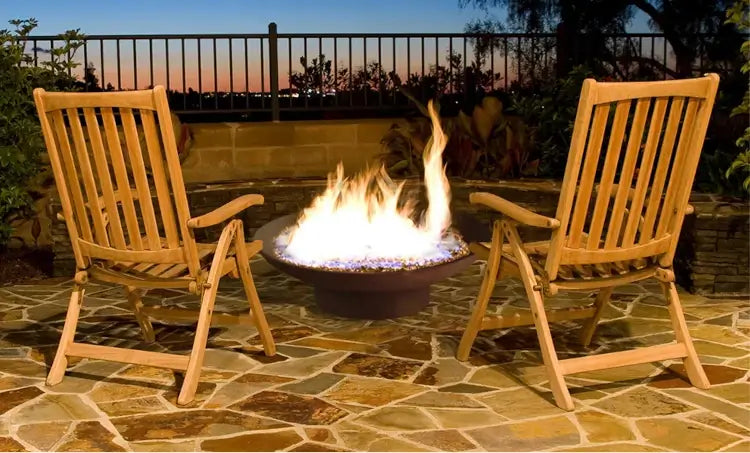
The Wooden Adirondack Table & Chair Set is the kind of piece that rewards simple seasonal care with years of good looks.
Editor’s Tip: “Timber is much easier to maintain if you clean and oil it before it starts looking tired. Leaving it too long usually turns a quick seasonal job into a much bigger one.”
Seasonal Care
- Clean and re-oil before winter.
- Use a furniture cover during the hottest summer afternoons if the piece is left in full sun.
- Bring smaller pieces under cover during extended wet periods where possible.

⚙️ Aluminium with Powder Coating
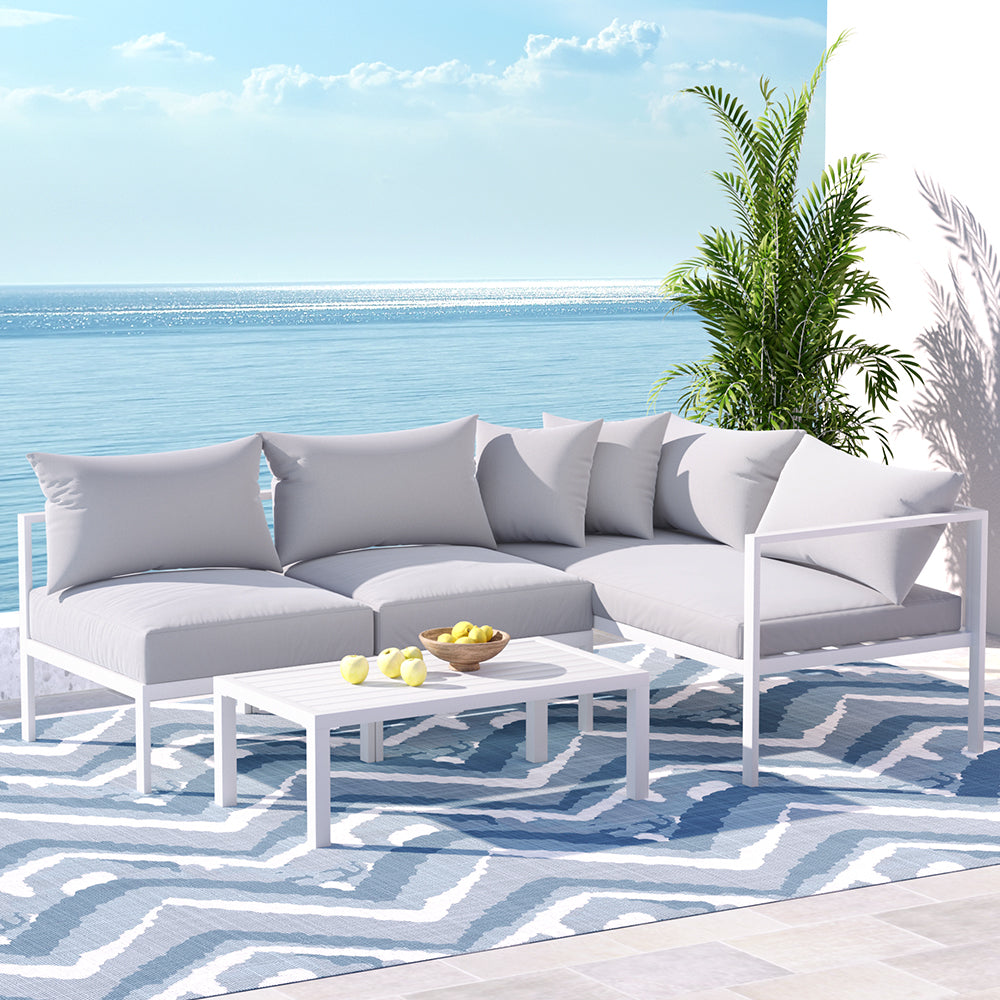
Powder-coated aluminium is one of the most practical materials for Australian outdoor furniture. It does not rust, it is lightweight, and the coating generally handles UV and moisture well. The main hazards are chalking from extended UV exposure and chips exposing the metal underneath.
Best for: low-maintenance outdoor dining and seating
Main risk: chipped coating and surface chalking
Quick win: wipe it down regularly and do not ignore chips
Cleaning
- Wash with warm soapy water and a soft cloth.
- Rinse thoroughly.
- Dry with a clean cloth to avoid water spots.
What to Avoid
- Abrasive scrubbers
- Steel wool
- Bleach-based cleaners
- Close-range pressure washing
Touching Up Chips
Use a matching outdoor metal paint to touch up chips as soon as possible to keep the finish looking tidy and prevent longer-term problems.
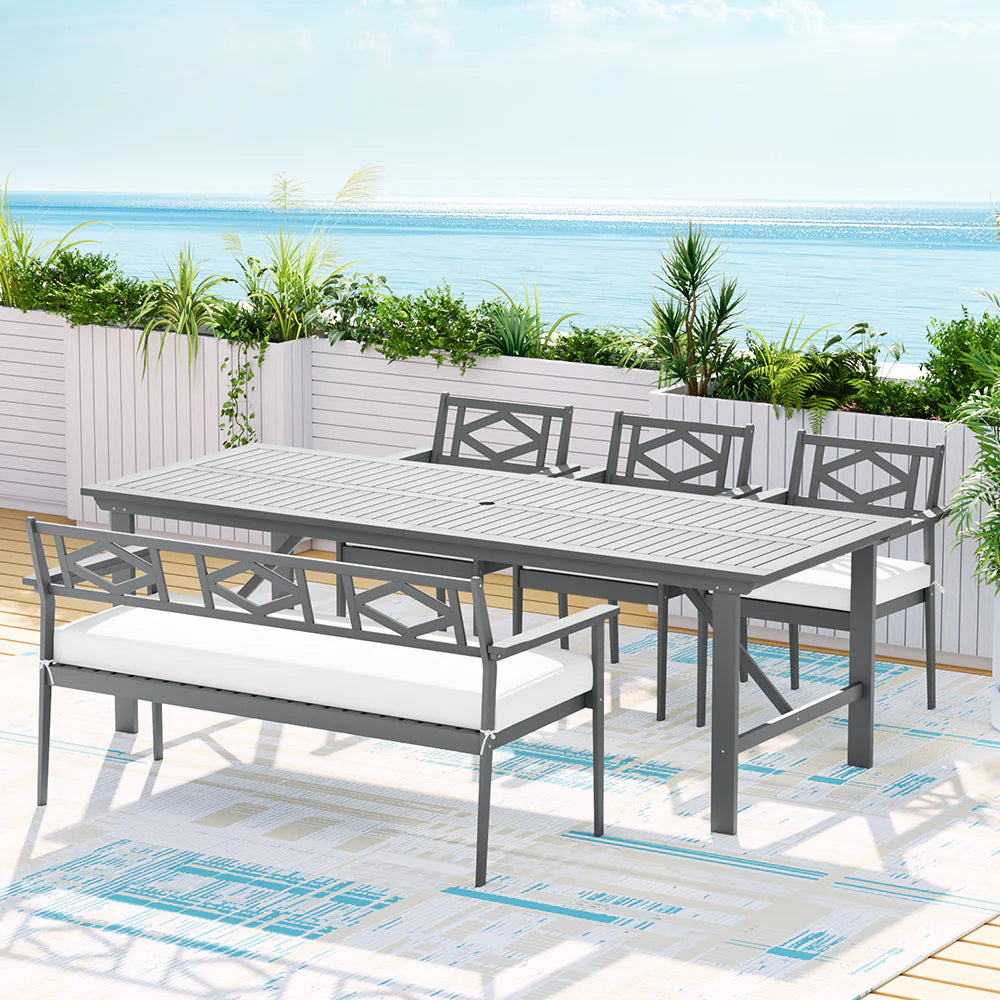
The Gardeon Outdoor Dining Set with Aluminium Frame handles Australian conditions well, but a wipe-down after salt air or dusty winds keeps the coating looking its best for longer.

🪑 Synthetic Wicker and Rattan
Good synthetic wicker is usually UV-stabilised and weather-resistant, but it still needs care to stay looking its best. The main risks are UV breakdown over time, dust caught in the weave and mould in darker spots.
Editor’s Tip: “We recommend Siesta, a quality european brand, for high-quality commercial grade UV-stablished polypropylene outdoor furniture that looks great and is built to last”
Best for: comfortable outdoor lounging and entertaining
Main risk: dust in the weave and trapped moisture
Quick win: brush the weave regularly before grime builds up
Cleaning
- Use a soft brush or old toothbrush to loosen debris from the weave.
- Wipe with a damp cloth and a small amount of soapy water.
- Rinse gently with a hose.
- Let it dry fully in the sun.
What to Avoid
- Pressure washing, especially around joins
- Harsh cleaning chemicals
- Leaving moisture sitting deep in the weave
The Gardeon 6-Seater Outdoor Rattan Sofa Set is a solid example of synthetic wicker that genuinely only needs a regular wipe-down and the occasional hose-off to stay in good shape.
UV Protection and Storage
- A UV-protective spray for plastics can help extend the life of pieces in full sun.
- Furniture covers during extended wet periods or over winter can make a real difference.
Editor’s Tip: “With wicker and rattan-style furniture, the little details matter. Dust left sitting deep in the weave does not just look messy, it can hold moisture too, so a quick brush now and then goes a long way.”
🛠️ Steel and Metal Bistro Furniture
Steel adds an industrial or bistro feel to a patio, though unlike aluminium it can rust when the coating is damaged.
Best for: bar sets, bistro furniture and industrial-style patios
Main risk: rust after chips or standing water
Quick win: dry joints well and repair paint damage early
Cleaning and Protection
- Wash with warm soapy water.
- Wipe dry thoroughly.
- Do not let water sit in joints or corners.
- Touch up any chips with outdoor metal paint.
- Apply a light coat of metal-protective wax or polish at least once a year.
Common mistake: letting small chips sit through winter. That is often how a tidy frame turns into a rusty one.
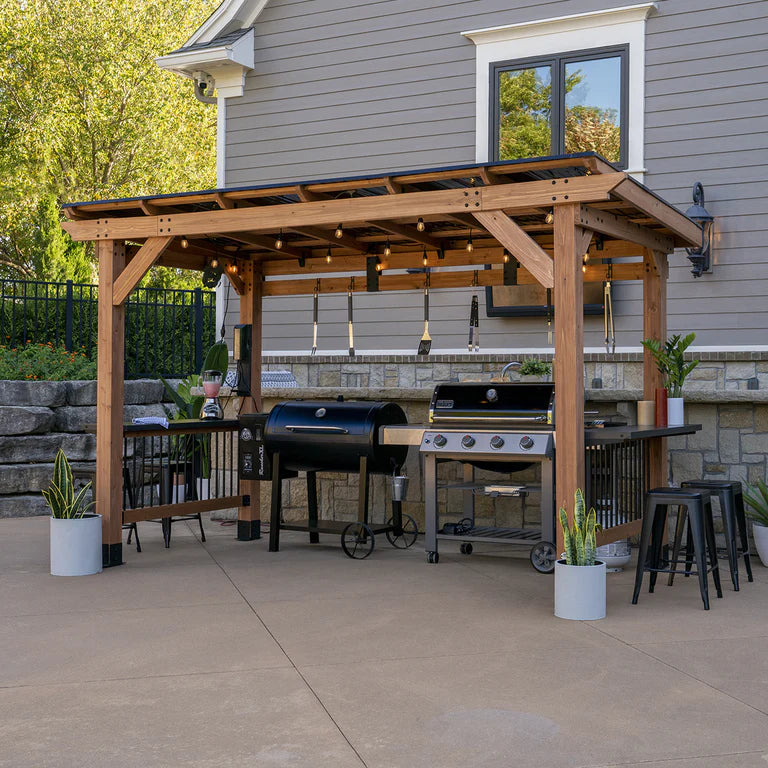
The Gardeon 7-Piece Outdoor Bar Set with Steel Stools stays in great shape with minimal effort as long as chips are dealt with early and it is not left sitting in standing water.

🧼 Outdoor Cushion Fabric
Cushions take more punishment than almost any other part of your setup: UV, moisture, bird droppings, sunscreen, food and drink. The main problems are fading, mildew and general grime.
Best for: everyday comfort and outdoor lounging
Main risk: mildew from storing cushions damp
Quick win: always dry thoroughly before storing
Washing
- Most removable outdoor cushion covers can be machine washed on a cold, gentle cycle.
- Check the care label first.
- Use mild dish soap and warm water for spot cleaning.
- For mildew, use diluted white vinegar, leave it for around 15 minutes, then scrub gently.
Drying and Mildew Prevention
- Dry cushions thoroughly in the sun before storing.
- Bring cushions in during extended wet weather.
- Store them in a ventilated storage solution, not a sealed bag.
- Apply a fabric protector spray at the start of each season if needed.
Moisture and airflow matter more than people think, as trapped moisture can quickly lead to mould problems. If you are storing cushions between uses, a ventilated option from our outdoor storage boxes collection can help keep them protected and easier to manage.
Common mistake: storing cushions when they still feel only slightly damp. That is often enough for mildew to start.
☀️ Sun Loungers
Sun loungers deal with some of the toughest conditions in the garden: full sun, poolside splash, sunscreen and wet swimmers. Most quality loungers combine powder-coated aluminium frames with synthetic wicker or textilene sling fabric, so follow the same care advice above for each material.
Best for: poolside and sunny lounging areas
Main risk: full sun, sunscreen build-up and repeated moisture
Quick win: rinse and wipe down regularly during heavy summer use
For textilene or sling fabric, a gentle scrub with soapy water and a thorough rinse is usually all that is needed. Avoid harsh chemicals, which can degrade fibres over time.
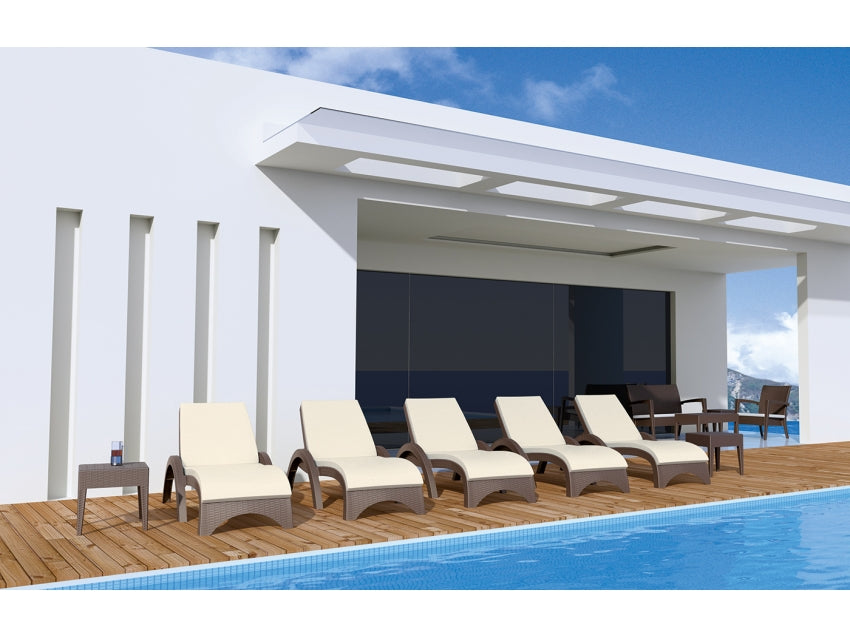
The Pacific Sun Lounger and Side Table Package handles poolside conditions well with straightforward care. If you have a fire pit or BBQ nearby, such as the Grillz Fire Pit BBQ Grill, keep loungers clear of smoke and embers, as synthetic materials can degrade quickly with repeated heat exposure.
Seasonal Maintenance Calendar
| Season | What to do |
|---|---|
| 🌱 Spring (September to November) | Wash all furniture after winter storage. Re-oil or re-seal timber pieces. Touch up any chips on powder-coated or steel frames. Apply fabric protector to cushion covers and check for mildew. |
| ☀️ Summer (December to February) | Wipe furniture down regularly after salt air, storms or heavy use. Cover furniture or bring cushions inside during extended time away. |
| 🍂 Autumn (March to May) | Give everything a thorough clean before the cooler months. Re-oil timber if it has had a hard summer. Check and clean furniture covers, and repair or replace them if worn. |
| ❄️ Winter (June to August) | Store cushions in a ventilated box or indoors. Cover or store smaller pieces not in regular use. Check timber for cracking or warping and treat it as needed. |
Final Thoughts
Outdoor furniture lasts longest when a little care becomes routine rather than a once-a-year rescue job. A simple clean, some seasonal maintenance and the right protection for each material can make a big difference to how long your setup looks and performs at its best. If you need a hand choosing the right furniture or caring for something you already own, email us at hello@thebestbackyard.com.au and one of our team will be happy to help.
Browse the full outdoor furniture range at The Best Backyard to find pieces built for Australian conditions.


Leave a comment